Buy Adult Life Vest: Choosing the Right Adult Life Vest for Safety
- Dave Edmonds
- May 11
- 4 min read

When it comes to boating safety, selecting the right adult life vest is essential. A life vest can save your life in an emergency. It is important to understand the different types of life vests and how to choose one that fits your needs. This guide will help you make an informed decision to stay safe on the water.
Why You Should Buy Adult Life Vest for Safety
Life vests are designed to keep you afloat and your head above water. They provide buoyancy and reduce the risk of drowning. Wearing a properly fitted life vest is the best way to protect yourself in case of an accident or unexpected fall overboard.
Boating in Jacksonville and St. Augustine means dealing with various water conditions. Whether you are fishing, sailing, or cruising, a life vest is a must-have safety item. It is not just about legal requirements; it is about your personal safety.
How to Buy Adult Life Vest That Fits Well
A life vest must fit correctly to work effectively. Here are some tips to ensure you get the right fit:
Measure your chest size: Use a tape measure to find your chest circumference. Life vests come in different sizes based on chest measurements.
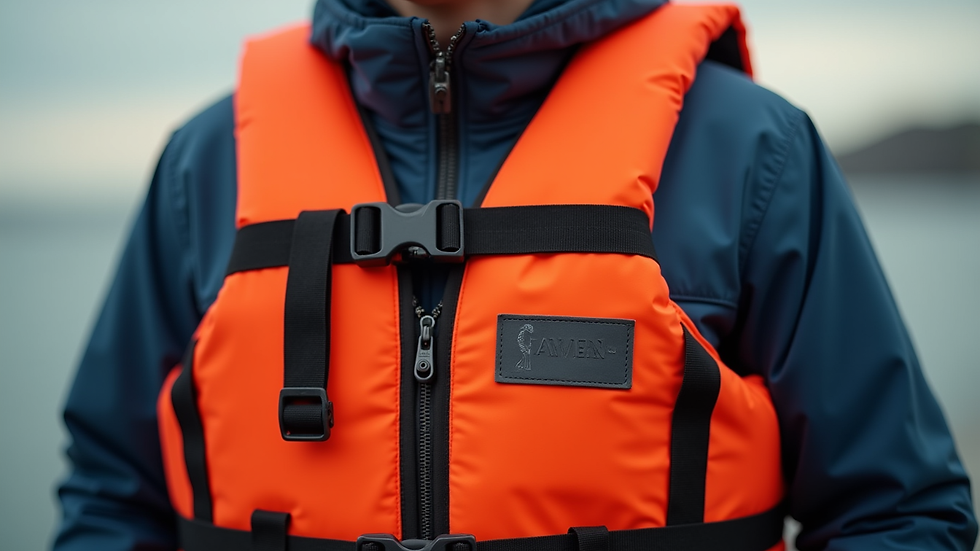
Try it on: Put the vest on and fasten all straps and buckles. It should feel snug but not tight.
Check for movement: The vest should not ride up over your chin or face when you lift your arms or move around.
Adjust straps: Use the adjustable straps to get a secure fit.
Consider your clothing: If you wear thick clothing, try the vest on with those clothes to ensure it fits properly.
A well-fitted life vest will keep you safe and comfortable. Avoid buying a vest that is too loose or too tight.

Types of Adult Life Vests and Their Uses
There are several types of life vests designed for different activities and water conditions. Knowing the differences will help you choose the right one.
Type I - Offshore Life Jackets
These provide the most buoyancy and are designed for rough or remote waters. They turn an unconscious person face-up in the water. Use these for open sea boating.
Type II - Near-Shore Vests
Suitable for calm, inland waters where help is nearby. They provide less buoyancy than Type I but still help keep your head above water.
Type III - Flotation Aids
These are comfortable and allow more movement. They are good for water sports and activities where quick rescue is expected.
Type IV - Throwable Devices
These are not worn but thrown to a person in the water. They are not a substitute for a wearable life vest.
Type V - Special Use Devices
Designed for specific activities like kayaking or windsurfing. They must be worn to be effective.
Choose a life vest type based on your boating activity and water conditions. For most boat owners in Jacksonville and St. Augustine, a Type III vest offers a good balance of comfort and safety.
Features to Look for in an Adult Life Vest
When selecting a life vest, consider these important features:
Buoyancy rating: Check the vest’s buoyancy in pounds. Higher buoyancy means more flotation.
Material: Look for durable, water-resistant materials like nylon or neoprene.
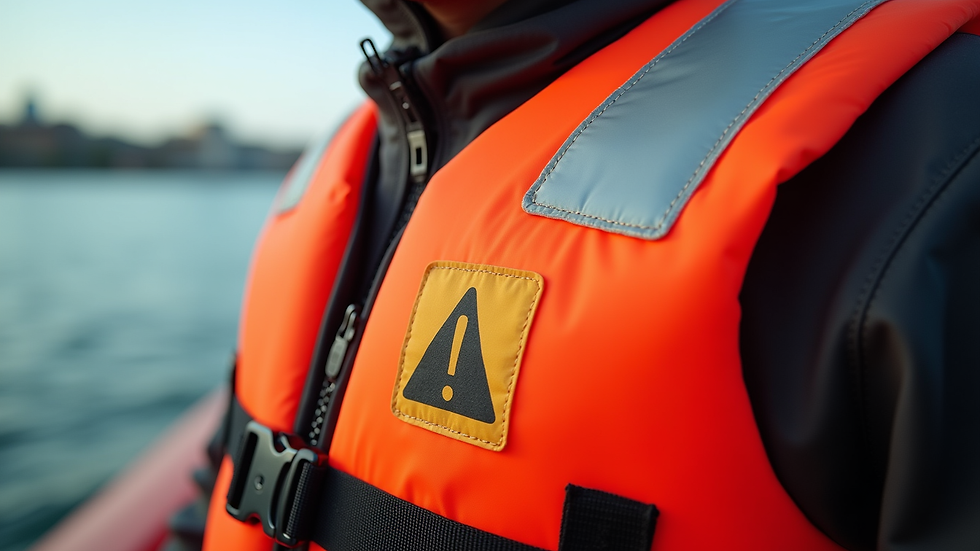
Visibility: Bright colors and reflective tape improve visibility in the water.
Pockets and attachments: Useful for carrying small items or attaching safety gear.
Comfort: Padding and breathable fabric make wearing the vest easier for long periods.
Certification: Ensure the vest meets U.S. Coast Guard standards.
These features improve safety and usability. Prioritize what matters most for your boating needs.
Where to Find Adult Life Vest for Sale
Finding a reliable source for adult life vests is important. Look for stores or online shops that specialize in marine safety equipment. They often provide expert advice and a wide selection.
You can find an adult life vest for sale through trusted marine service providers. They offer quality products that meet safety standards. Buying from a reputable source ensures you get a genuine, tested life vest.
Maintaining Your Life Vest for Long-Term Safety
A life vest is an investment in your safety. Proper maintenance will extend its life and keep it effective.
Rinse after use: Saltwater and dirt can damage the fabric and foam.
Dry thoroughly: Hang the vest in a shaded area to dry completely before storing.
Store properly: Keep it in a cool, dry place away from direct sunlight.
Inspect regularly: Check for tears, broken straps, or damaged buckles.
Replace when needed: If the foam is compressed or the vest is damaged, replace it immediately.
Regular care ensures your life vest will perform when you need it most.
Final Thoughts on Choosing the Right Life Vest
Choosing the right adult life vest is a straightforward process when you know what to look for. Focus on fit, type, features, and quality. Always prioritize safety over style or price.
Boating in Jacksonville and St. Augustine offers great experiences, but safety should never be compromised. A properly chosen and maintained life vest is your best protection on the water.
Stay safe and enjoy your time on the water with confidence.


Comments