
Choosing the Right Best Adult Life Vests
- Dave Edmonds
- Apr 22
- 4 min read

When it comes to boating safety, selecting the right life vest is crucial. A life vest can save your life in an emergency. I want to help you understand how to choose the best adult life vests for your needs. This guide covers important factors to consider, types of life vests, and practical tips for buying and using them.
Understanding the Importance of Best Adult Life Vests
Life vests are designed to keep you afloat and your head above water. They provide buoyancy and can prevent drowning. Not all life vests are the same. Choosing the right one depends on your activity, body size, and comfort preferences.
Wearing a life vest is a legal requirement in many boating areas, including Jacksonville and St. Augustine. It is also a smart safety practice. A well-fitted vest increases your chances of survival if you fall overboard or face rough water.
Key Features to Look for in Best Adult Life Vests
When shopping for a life vest, focus on these features:
Buoyancy Rating: Look for a vest with enough buoyancy to support your weight. Most adult life vests provide between 15 to 22 pounds of buoyancy.
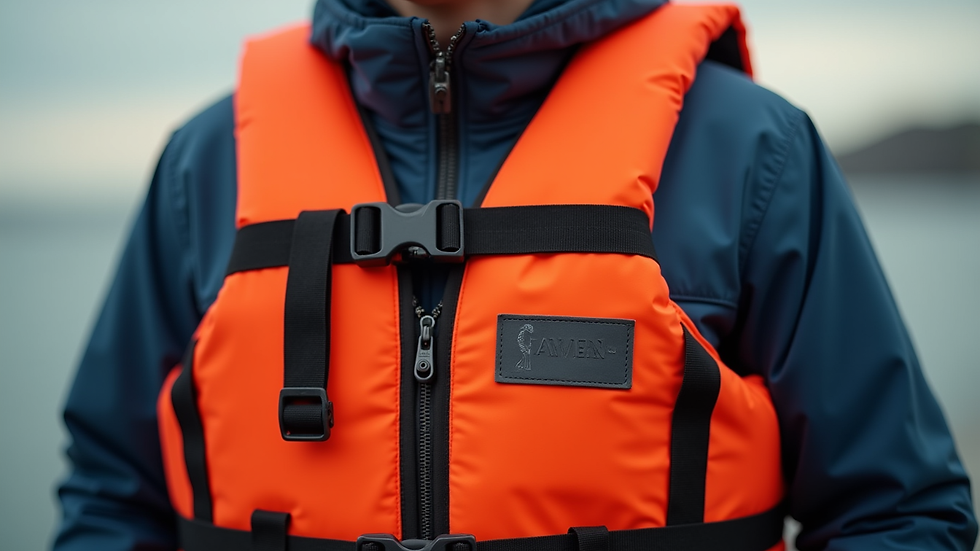
Fit and Comfort: The vest should fit snugly but not restrict movement. Adjustable straps help achieve a secure fit.
Material and Durability: Choose vests made from durable materials like nylon or neoprene. These resist wear and tear.
Visibility: Bright colors and reflective strips improve visibility in the water.
Type of Closure: Zippers, buckles, or Velcro should be easy to use and secure.
Additional Features: Pockets, whistles, or harness attachments can be useful depending on your boating activities.

Types of Adult Life Vests and Their Uses
There are several types of life vests designed for different purposes. Understanding these will help you pick the right one.
Type I - Offshore Life Jackets
These provide the most buoyancy and are designed for rough or remote waters. They turn an unconscious person face-up in the water.
Type II - Near-Shore Vests
Suitable for calm, inland waters. They offer less buoyancy and may not turn an unconscious wearer face-up.
Type III - Flotation Aids
Comfortable and designed for active water sports. They require the wearer to be conscious to keep their head above water.
Type IV - Throwable Devices
These are not worn but thrown to someone in the water. Examples include ring buoys and cushions.
Type V - Special Use Devices
Designed for specific activities like kayaking or windsurfing. They must be worn to be effective.
For most boating activities around Jacksonville and St. Augustine, a Type III vest is a good balance of comfort and safety. However, if you plan offshore trips, consider a Type I vest.
How to Choose the Right Size and Fit
A life vest that does not fit properly can be dangerous. Here is how to ensure the right fit:
Measure Your Chest: Use a tape measure around the fullest part of your chest.
Check Weight Range: Each vest has a weight range it supports. Match this to your body weight.
Try It On: Put the vest on and fasten all straps and closures.
Test Movement: Raise your arms and move around. The vest should not ride up over your chin or face.
Perform a Fit Test: Have someone lift the vest at the shoulders. It should not slip over your head.
If you are buying online, check the sizing chart carefully. When possible, visit a store to try on different models.
Maintenance and Care Tips for Your Life Vest
Proper care extends the life of your life vest and ensures it works when needed.
Rinse After Use: Saltwater and chlorine can damage materials. Rinse with fresh water after each use.
Dry Thoroughly: Hang the vest in a well-ventilated area away from direct sunlight.
Store Properly: Keep the vest in a cool, dry place. Avoid compressing it under heavy objects.
Inspect Regularly: Check for tears, broken straps, or damaged buckles.
Replace When Needed: If the vest shows signs of wear or fails a buoyancy test, replace it.

Where to Find Quality Adult Life Vests
Finding a reliable source for life vests is important. Look for suppliers that offer a range of sizes and types. They should provide clear information about buoyancy ratings and certifications.
If you are searching for an adult life vest for sale, choose a trusted provider with good customer reviews. This ensures you get a product that meets safety standards and fits your needs.
Final Thoughts on Choosing the Right Life Vest
Choosing the right adult life vest is a straightforward process when you know what to look for. Focus on fit, buoyancy, and the type of vest that suits your boating activities. Proper maintenance will keep your vest reliable for years.
Safety on the water starts with preparation. A good life vest is a key part of that preparation. Take the time to select the best adult life vests for your needs and enjoy your time on the water with confidence.


Comments