Choosing the Right Marine First Aid Kit: Marine Emergency Kit Essentials
- Dave Edmonds
- Mar 16
- 3 min read

When you spend time on the water, safety is a top priority. Accidents can happen quickly, and being prepared with the right marine first aid kit can make a significant difference. I have learned that choosing the right kit is not just about having supplies but having the right supplies for marine conditions. This guide will help you understand what to look for and how to select a kit that fits your needs.
Understanding Marine Emergency Kit Essentials
Marine first aid kits differ from regular first aid kits. They are designed to handle injuries and emergencies that are common on boats and near water. Saltwater, motion, and limited space all affect what you need in your kit.
A good marine first aid kit should include:
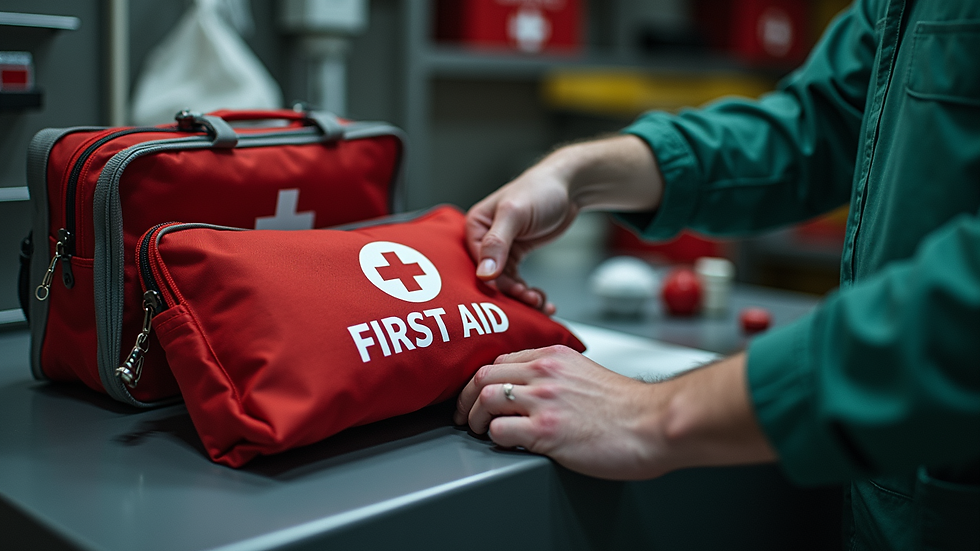
Waterproof packaging to protect supplies from moisture
Supplies for treating cuts, burns, and bruises
Items to manage seasickness and dehydration
Tools for handling more serious injuries like fractures or deep wounds
Instructions that are easy to follow in stressful situations
When I check a kit, I look for these essentials. It is important that the kit is compact but well-stocked. You want to be able to find what you need quickly.

What to Consider When Choosing a Marine First Aid Kit
Choosing the right kit depends on several factors. Here are the key points I consider:
Size and Portability
Your kit should be easy to store and carry. Boats have limited space, so a bulky kit is not practical. Look for a kit that fits your boat’s storage areas but still contains enough supplies.
Contents and Quality
Check the list of items included. The quality of bandages, antiseptics, and tools matters. Cheap supplies may fail when you need them most. I recommend kits that include:
Sterile gauze pads and adhesive bandages
Antiseptic wipes and ointments
Scissors and tweezers
Elastic bandages and splints
Emergency blanket
CPR mask or shield
Waterproof and Durable Case
The case should be waterproof and sturdy. Saltwater and humidity can ruin medical supplies. A durable case protects your kit and keeps it ready for use.
Compliance with Regulations
Some areas have specific requirements for marine first aid kits. Make sure your kit meets local regulations for boating safety. This is especially important if you plan to travel between states or countries.
Customization Options
You may want to add items specific to your needs. For example, if you have allergies, include an epinephrine injector. If you have children on board, add child-specific supplies.
How to Maintain Your Marine First Aid Kit
Having the right kit is only part of the solution. Regular maintenance ensures your kit is ready when you need it.
Check expiration dates on medications and replace expired items.
Restock used supplies immediately after any incident.
Keep the kit clean and dry by storing it in a cool, dry place.
Review the contents at least twice a year to ensure everything is in good condition.
Practice using the items so you are familiar with them in an emergency.
I keep a checklist with my kit to track what needs replacing. This simple step saves time and stress.
Additional Safety Gear to Complement Your First Aid Kit
A marine first aid kit is essential, but it works best when combined with other safety gear. Consider adding these items to your boat:
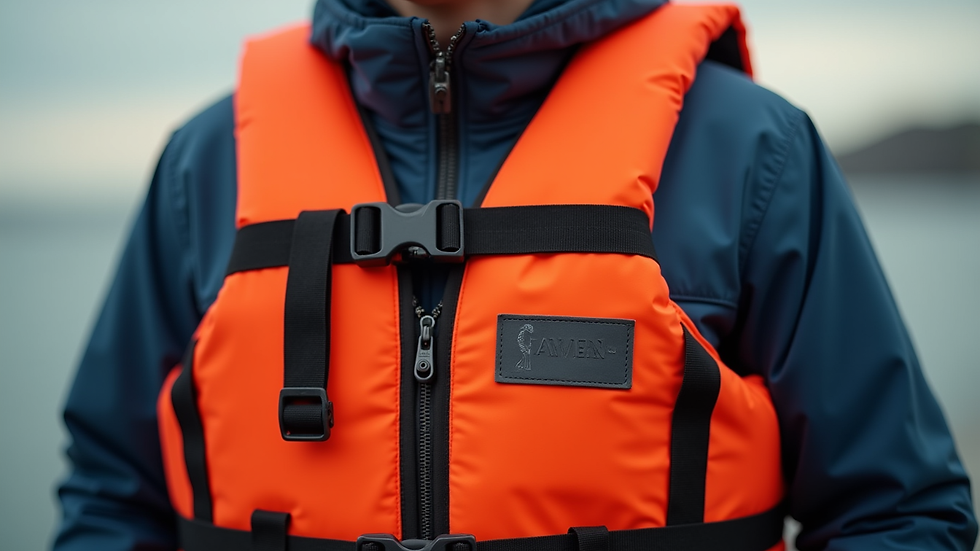
Life jackets for all passengers
Fire extinguisher
Emergency signaling devices like flares or whistles
Waterproof flashlight
VHF radio for communication
Together, these items create a safer environment on the water. They help prevent accidents and improve your response if one occurs.
If you are ready to equip your boat, you can buy marine first aid kit that meets these standards. Choosing a reliable source ensures you get quality products designed for marine use.
Staying Prepared on the Water
Preparation is key to safe boating. Knowing how to use your marine first aid kit and having it accessible can save lives. I recommend:
Taking a basic first aid course focused on marine emergencies
Keeping the kit in a visible, easy-to-reach location
Informing all passengers about the kit’s location and contents
Updating your kit based on the size of your crew and type of boating activities
By following these steps, you can handle minor injuries and stabilize serious ones until professional help arrives.
Choosing the right marine first aid kit is a practical step toward safer boating. It reflects your commitment to safety and readiness. With the right kit and knowledge, you can enjoy your time on the water with confidence.


Comments